
1. Put a national definition of affordable housing on the table
We keep talking about “affordable housing” — but Australia still doesn’t have a consistent national definition of what this means.
Australia spends billions on affordable housing without agreeing on what “affordable” means. Developers can call almost anything affordable, and public money follows.
More than 10,000 people have signed our petition for a national definition: a benchmark tied to what people on local wages actually earn.
Bradfield started this. I'm taking it to Canberra to put it into legislation.
https://www.youtube.com/shorts/V2c5MIdSJjk
2. Won a fix to the superannuation performance test
Australia's superannuation sector holds $4.5 trillion. The performance test penalised funds for putting that capital into housing and clean energy — the two things the country most needs built.
After sustained advocacy, including direct meetings with Ministers, the Government has committed to fixing the test.
It's a technical fix with a big result: more super invested in Australian homes and energy.
3. Faster aged care for those who need it most
Older Australians are assessed as needing care, then wait months before any of it arrives. More than 103,000 people are currently waiting just to be assessed. For someone with a terminal condition, that wait decides whether they stay at home or go without.
I've been pressing the Government on these failures, and pushing for people with motor neurone disease — fast-moving and incurable — to be fast-tracked.
In June, after months of advocacy, the Government agreed to amend the Aged Care Rules so every older Australian with MND gets urgent priority for Support at Home. A real win, and proof that pressure works.
4. Pushed for childcare that families can afford and rely on
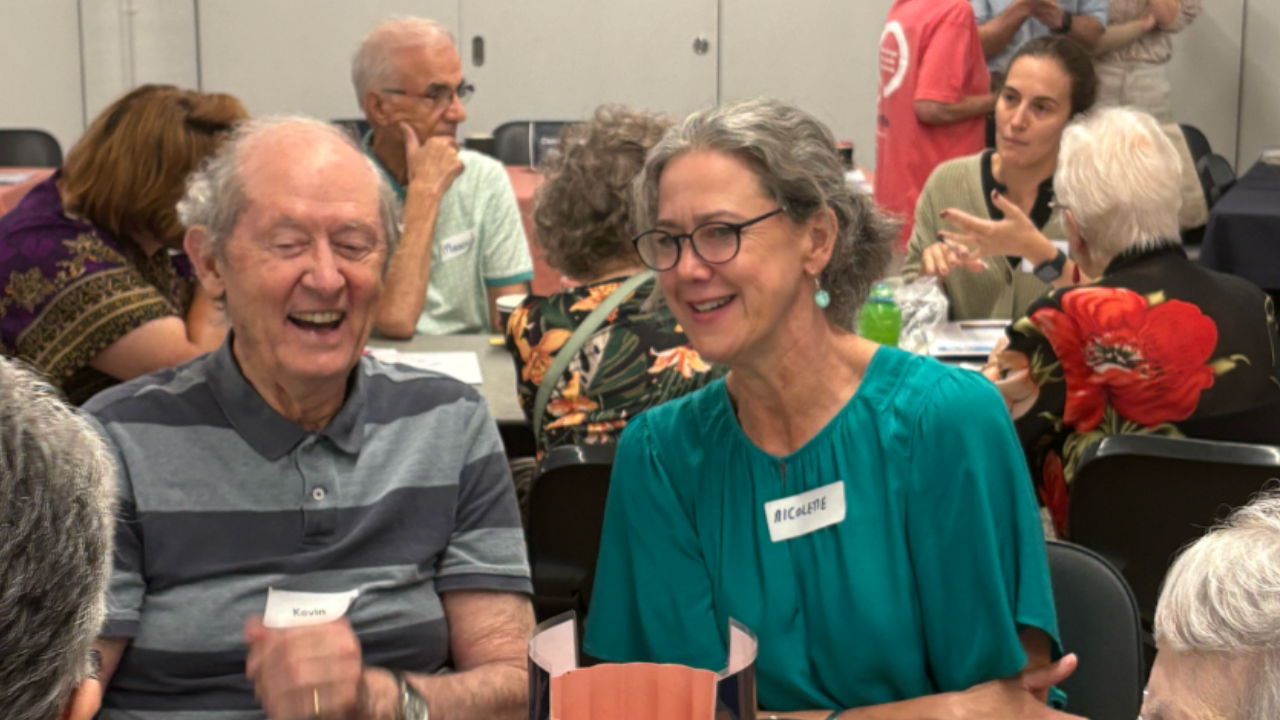
Ku-ring-gai has more than 140 early learning services. Willoughby has over 50. Families still contact me every week to say they cannot find a place they can afford, and some parents are working essentially for free once the gap fee is taken out. Community pre-schools are closing despite being full, with long waitlists.
I've put this to the Parliament and to the Minister directly. I'm calling for a National Early Childhood Commission to steward the market, planning rules that account for affordability rather than leaving location to market forces, and a requirement that providers tell families about a closure the same day they tell the Government.
5. Price gouging is now illegal
From 1 July 2026, it is against the law for Coles and Woolworths to gouge you at the checkout. If they breach these rules, the penalty is up to $10 million, three times the benefit obtained, or 10% of turnover — whichever is greatest. The ACCC now has the power to investigate and make it stick.
I've been on about this for years. In November I made a detailed submission on the draft regulations, calling for proper ACCC funding and investigative powers, escalating penalties for repeat offenders, and public naming of the companies and directors involved.
There's still more to do: shrinkflation, real transparency on prices, protections for the farmers who grow our food, and action on the land banking that shuts smaller retailers out.
https://www.youtube.com/shorts/H5aDg7gkuYs
6. Pushed to lift the small business CGT threshold from $2 million to $10 million
Small businesses are the engine room of our economy — they back local jobs and take the risks that keep Australia productive and competitive.
So when the Government’s CGT changes left 175,000 of them short of the concessions they were counting on, I got to work.
I called for the Government to lift the small business threshold from $2 million to $10 million in turnover, matching the ATO’s own definition of a small business.
I’m very pleased to say the Government has now made that change.
7. Made fossil fuel subsidies impossible to ignore
The Fuel Tax Credit Scheme is Australia's largest fossil fuel subsidy: $10.7 billion this year, $47 billion over the next four. It refunds fuel excise to mining companies on every litre of diesel they burn. Last financial year the Government handed out $622 million in fuel tax credits to BHP, even though it made more than $15 billion in profit.
A nurse pays fuel tax. A tradie pays fuel tax. The Village Chef, our local meals on wheels service, pays fuel tax on every delivery it makes. BHP effectively pays none.
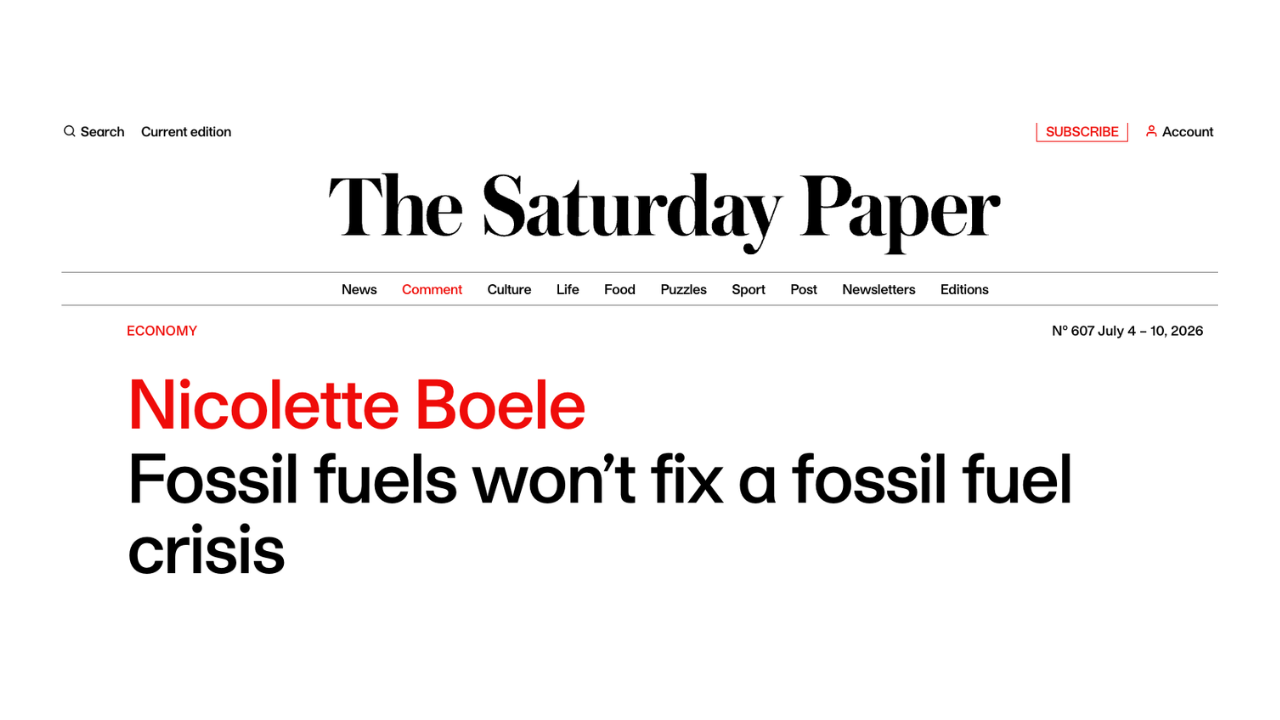
I put that question to the Climate Change and Energy Minister in Question Time. I made the argument in The Saturday Paper. And I moved an amendment to cap the scheme at $50 million per company — so farmers and small businesses keep every dollar of their credits, but the 18 large resource companies above the cap either pay up or reinvest the difference in electrifying their fleets. The Government and the Coalition voted it down.
More than 300 Labor branches are now calling for the same reform, and I'll keep pushing until it lands.
8. Called out the AI and data centre settings being written over our heads
Artificial intelligence is already here — in automated decision-making and in the data centres reshaping our energy grid. The policy settings being written right now will shape this country for decades. Two large data centres are proposed at Bradfield's boundaries, assessed through a state pathway that sidelines local planning controls. Yet, 84.9% of the Bradfield residents I surveyed said the Government has not adequately explained its decisions on data centre growth to the public.
So we did the work ourselves. 200 people came together with data centre and AI experts for a frank conversation about what we learned from Robodebt, and whether Australia is sleepwalking into the same mistake it made with gas exports. Over 750 residents completed our survey, with 60% worrying the benefits will go offshore while we carry the costs, and83% holding no confidence the Government can manage this growth in Australia's interests.
I took all of this to the Senate inquiry, calling for nationally consistent planning and environmental standards, a sovereign AI capability framework, better resourcing for the AI Safety Institute, improved community consultation, and mechanisms so Australians share in the value created here. Communities carry the costs of this infrastructure. They deserve a say in it.
9. Pressed the Minister to reassess the Browse gas project
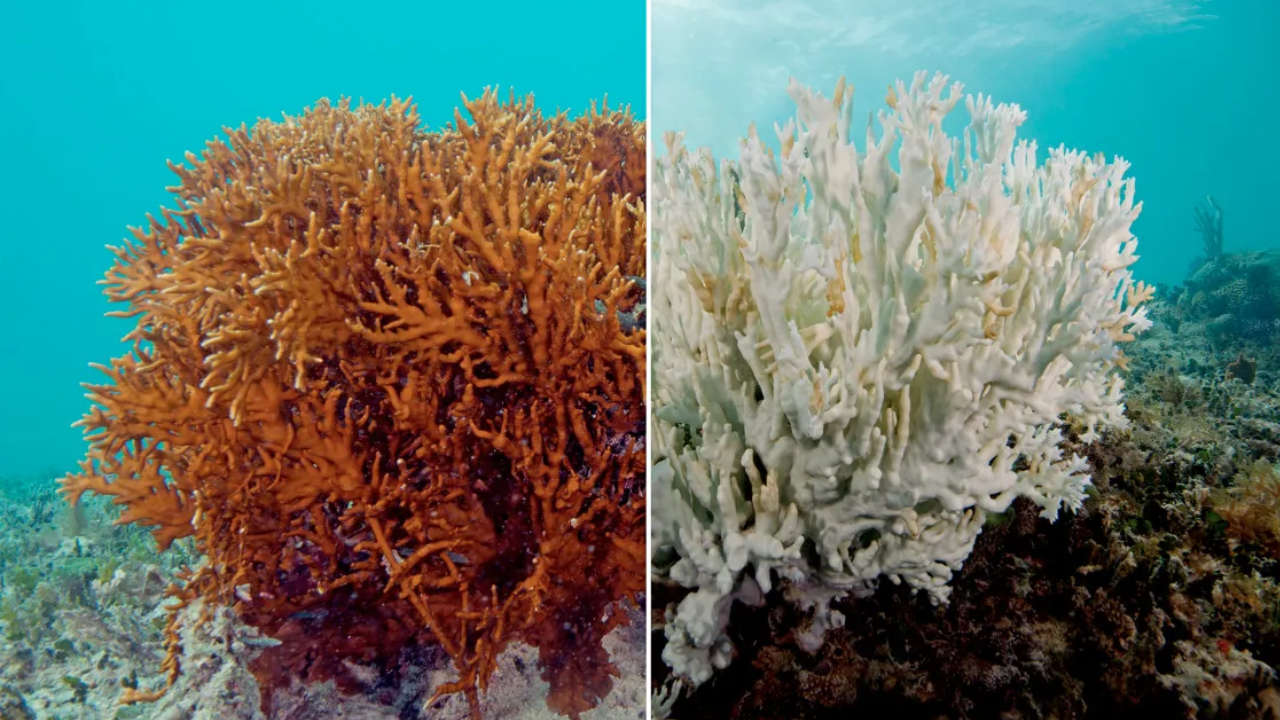
Woodside's Browse offshore gas project would release around 1.6 billion tonnes of greenhouse gas over its lifetime. New peer-reviewed research shows this climate pollution will kill 30 million additional corals on the Great Barrier Reef with every future mass bleaching event. That science did not exist when Browse was assessed in 2019, so I've written to Minister Watt calling on him to revoke and remake the 2019 decision to ensure Browse is assessed against what we now know. A project this size should be tested against current evidence – and that evidence shows it shouldn’t go ahead.
10. Secured public disclosure of lobbyists' access to Parliament
Lobbyists walk through the doors of Parliament House on passes sponsored by individual MPs. For decades, who sponsored whom stayed out of public view.
After years of sustained advocacy from the crossbench, that is now changing. Every sponsored pass will be listed online, alongside the name of the MP who signed for it.
I've published my own passes from the start. Australians deserve to see who has access to the halls of power, and soon they will.
https://www.youtube.com/shorts/TLNpALQ1kT4